
The average cost for basement remodeling ranges between $30 and $75 per square foot or $320 to $800 per square meter. For a standard 1000 square-foot basement, the total project cost lies between $30,000 and $75,000, depending on the layout complexity, material choices, and local labor rates.
Remodeling a basement is one of the best ways to expand your home’s living space and boost property value. It usually includes turning an unused space into a bedroom, a home theatre, adding or upgrading a bathroom, etc. However, the quality of finish you choose, the layout of your basement, and the size of the remodeling affect the final cost of the basement remodeling.
In 2026, the costs for construction increased by 5.6% because of material shortages as well as inflation. There are three key trends that are changing how basements are remodeled this year:
Smart home integration has become the standard for modern basement renovations. The key investments include water detection ($800 to $1,500), mesh networks ($400 to $1,200), and smart humidity control ($1200 to $3500).
Accessory Dwelling Unit (ADU) conversions offer a premium strategy to invest in high-end, top-tier properties that generate $2,800 to $4,500 in monthly rent while boosting property value. The ADU conversion costs $85,000 to $165,000 but increases property value by $150,000. However, owners must focus on updated 2026 building codes. These regulations now require interconnected smart detectors and air quality monitors for rental units.
Using hempcrete and mycelium panels can lower carbon emissions by up to 70%, though they can cost 10-20% more than conventional materials. However, this additional cost is heavily offset by the Energy-Efficient Home Improvement Credit, which offers a credit up to $3,200 for eligible upgrades.
In 2026, the average costs for basement remodeling have increased depending on the material costs and integration of smart technology.
The costs for basement remodeling vary significantly based on the size of the space and the complexity of how extensively it needs to be updated. Here are the various factors that affect the remodeling cost:
The size of the basement and finishing an unfinished space affects the remodeling cost. Larger projects covering 1,500 square feet or adding complex plumbing and electrical systems in the kitchen or bathrooms increase the labor and material costs. Careful planning is important for comprehensive framing, insulation, and utilities during remodeling, which may have hidden costs.
When you plan a basement conversion, consider the desired layout with structural realities. Dividing your basement into specific zones like a kitchen, bar, an office, or laundry room and adding plumbing fixtures can increase your home value. By rerouting HVAC ( heating, ventilation, and air conditioning) or changing load-bearing walls, you need significant structural and mechanical labor that can maximize your remodeling costs.
Selecting the right finishes ensures that your basement design takes shape and impacts your total budget. The cost can vary based on the specific materials and fixtures you choose, including layered lighting, choosing damp-proof cabinetry and countertops, or selecting materials that can withstand humidity and temperature variations.
The basement remodeling costs heavily depend on the age of your home. Older properties need upgrades in electrical systems and replacement of the plumbing system to avoid any issues, which will increase the remodeling costs.
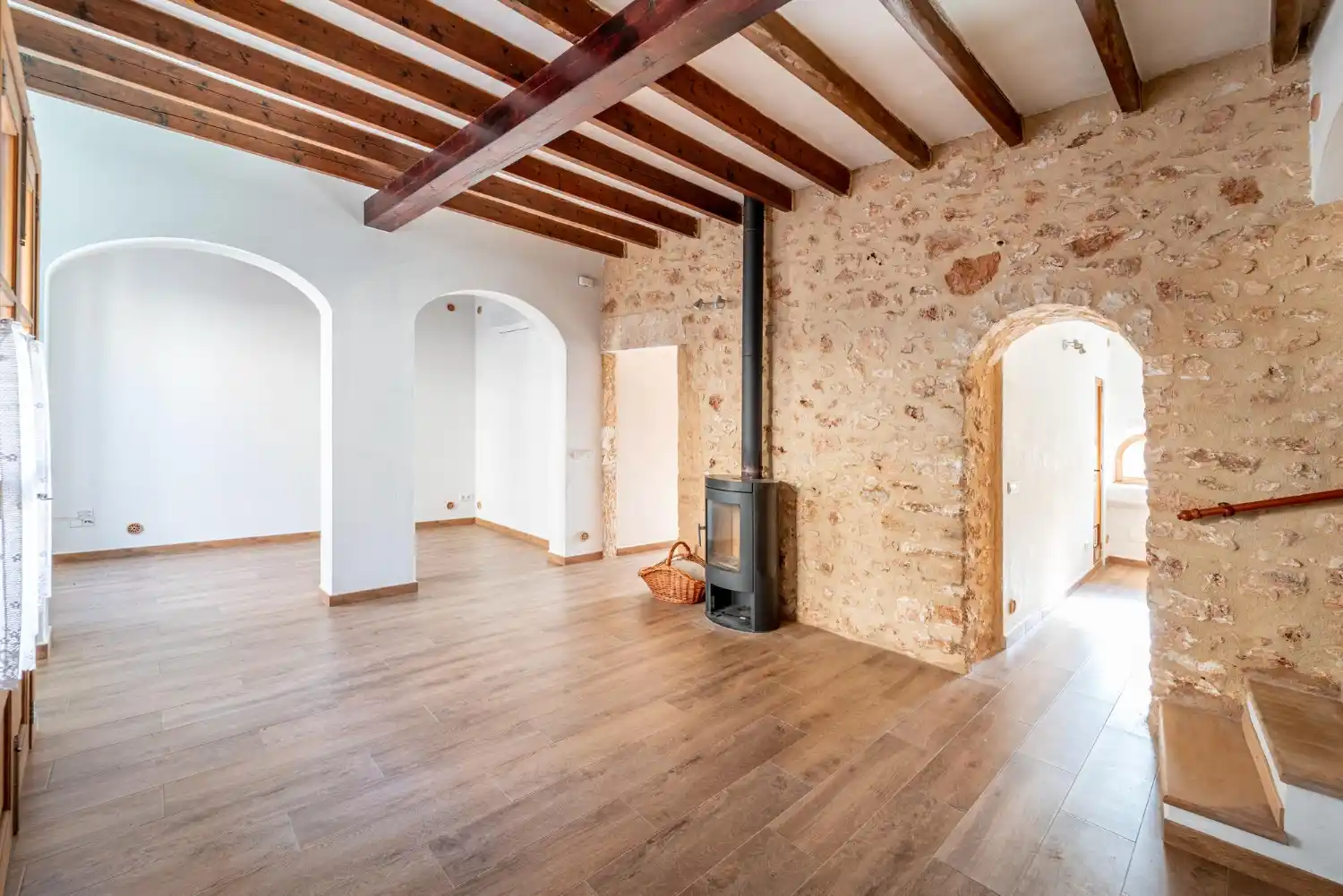
Remodeling a basement is one of the most effective ways to expand your home’s square footage without changing its footprint and increases the property’s value. The initial investment, whether for minor updates or major luxury remodels, can be recovered by 70 to 75% of those costs when you sell your home. Understanding the basement remodeling cost and the factors that affect it ensures you budget accordingly and make informed decisions.